People say developing countries like Indonesia shouldn’t worry too much about counting emissions. After all, aren’t the biggest emitters the rich nations? But the reality is we’re the ones who suffer the most. Floods, droughts, and worsening air pollution. It’s getting harder to ignore. So, why do emissions still need to be counted and reported?
Actually, it’s simple. Think of it like checking your blood pressure. It is not because you’re sick, but to prevent something worse. Knowing where your emissions come from helps you figure out where to start reducing them.
It’s Not About Blame. It’s About Where We’re Headed?
Yes, historically, countries like the U.S. have contributed more to global emissions. But climate change doesn’t recognize borders, and we can’t afford to sit back. The longer we wait, the more expensive the consequences become socially, economically, and for our health.
So… What Does This Mean for Everyday People
Air pollution and emissions from transportation, industry, and agriculture have a direct impact on all of us. Just look outside. It’s June, right? Technically, this should be the start of the dry season across much of Indonesia’s southern regions, like Java, Bali, and Nusa Tenggara. But instead of clear skies, we’re still seeing rain. Is it just me, or are you feeling it too?
In farming, changing weather patterns make it harder to plan harvests, threatening our food security. I once talked to someone in the agriculture industry who said that many Agri graduates no longer want to work on farms. Why? Because working in the field is risky, the pay is low, and the weather is unpredictable. So they move to office jobs instead.
In cities, the impact hits public health. I once read that much of the health crisis in big cities like Jakarta is linked to air pollution. And it makes sense. When the air we breathe is full of harmful particulate matter (PM), the risks build up over time, impacting our lungs, our environment, and our quality of life. We can’t avoid the air. We can only try to adapt.
More Emissions Reports, But Who’s Making Sure They’re Trustworthy?
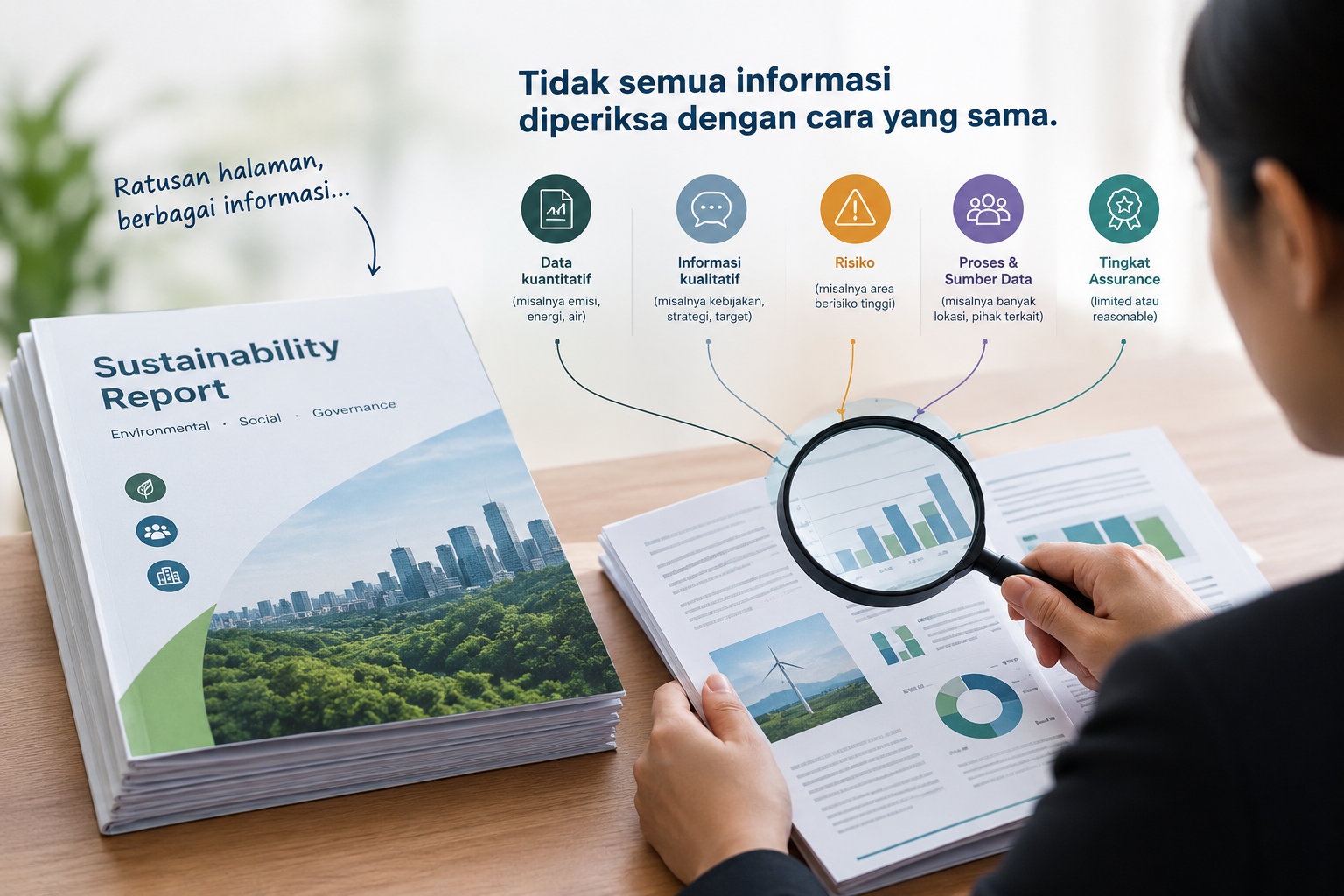
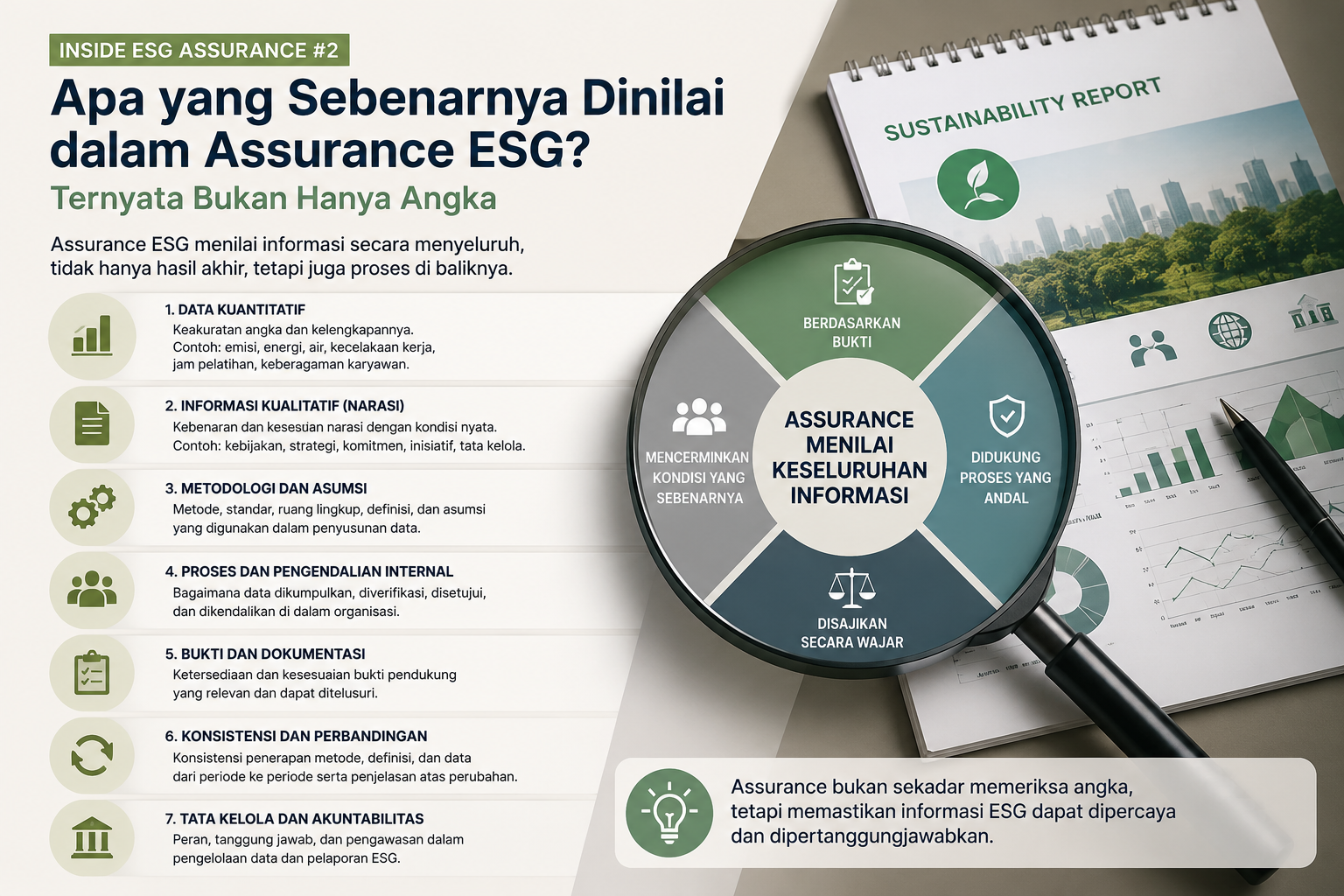
Knowing your emissions is one thing. But for that data to mean something, it has to be verified. Reliable GHG data is the foundation for effective climate action. With the rise of ESG, net-zero targets, and sustainability reporting, more companies and institutions are disclosing their emissions. But are those numbers accurate? Aligned with global standards? Can we trust them?
That’s where independent assurance comes in, like what we do at Decar Verite Asia. We help review how emissions are calculated, check the transparency, completeness, and accuracy of the data, and ensure consistency with international protocols. So their reports aren’t just paperwork; they become credible tools for real decision-making.
Why Should the Public Care?
Valid emissions data means being the foundation of policy and better intervention. Let’s say the transportation sector turns out to be the biggest emitter. Then, solutions like electric vehicles or better public transit will become more urgent and justifiable. It’s also a matter of public accountability. The public has the right to know and monitor carbon footprints from industries, energy systems, and daily consumption.
In a world full of the effects of the climate crisis, honesty and transparency aren’t just values; they’re a necessity to survive.
If you’re part of a company, an organization, or work in a public institution, don’t just count your emissions. Open them up. Get them independently verified. And if you’re a concerned citizen, know that GHG reports are not just numbers; they’re a glimpse into our shared future.
Let’s collaborate or learn together at Decar Verite Asia.
👉 Drop your thoughts in the comments. This is our first article on LinkedIn! Would you prefer we write in Indonesian or English for our next posts?
— Author: Hashinatul Fikrial Rabbani