Sustainability reporting has evolved from a voluntary initiative into a baseline expectation. For companies navigating regulatory pressures, investor scrutiny, and ESG-linked financing, a sustainability report is no longer a differentiator. It is a minimum requirement.
Sustainability reports are everywhere now. They’ve gone from being optional to something most companies are expected to have. And to be fair, many of them look great, full of colorful visuals, success stories, and catchy terms like “net-zero,” “gender equity,” or “green energy”. But behind the polished layouts and success stories, one critical question lingers: Can the data be trusted?
Why Stories Aren’t Enough
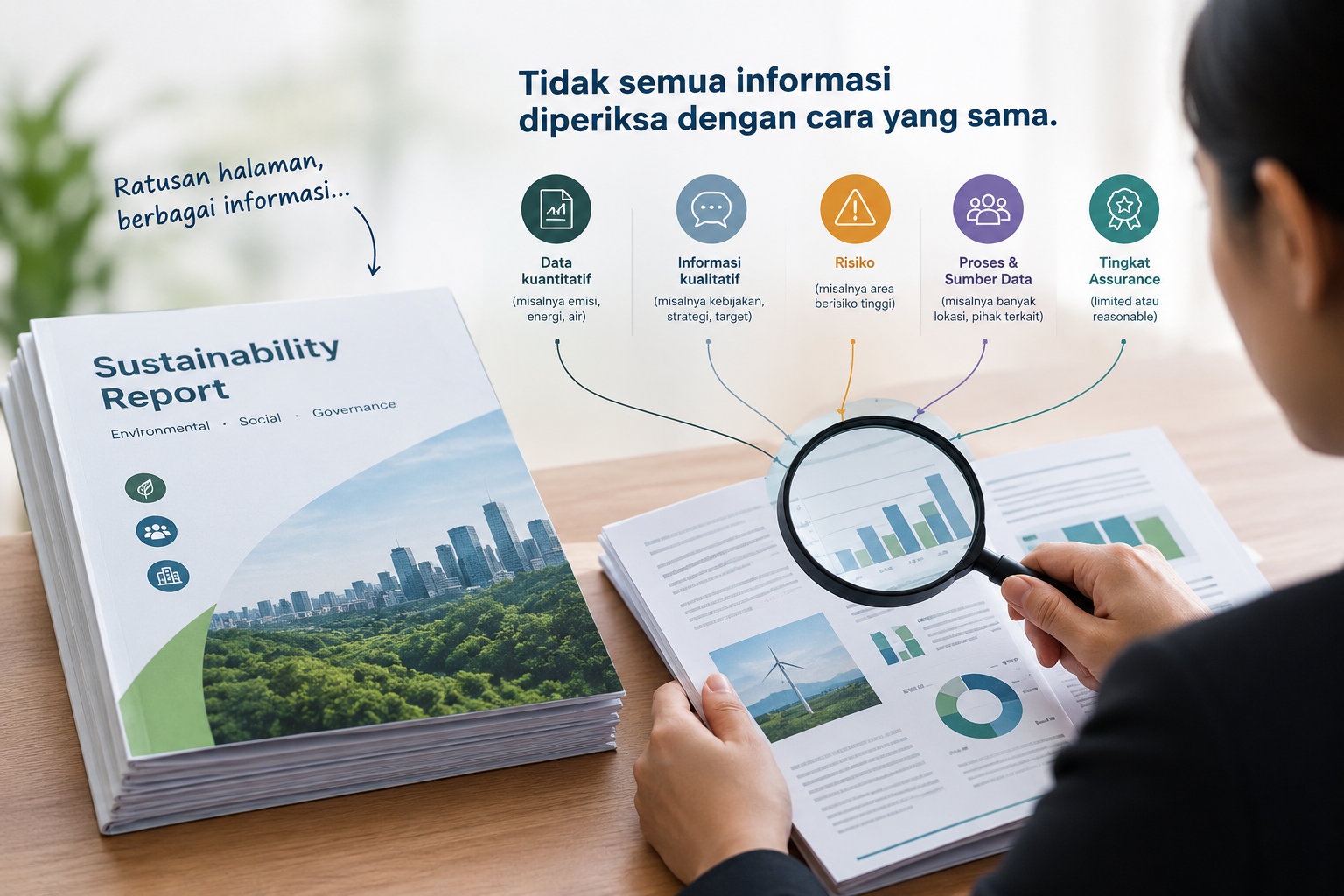
Telling a good story is important. It helps people relate and understand why something matters. But a sustainability report is not just a PR tool. It is meant to help various stakeholders, such as investors, employees, and partners, understand how a company is managing its impact on the environment and society.
To achieve that, numbers matter. Are emissions actually going down? Is energy use improving? Where’s the evidence? Without clear and accurate data, even the most compelling story loses its weight.
These days, sustainability reports are no longer taken at face value. Investors compare data across companies. Regulators begin to ask tougher questions. And if what’s written cannot be backed up with solid data or a clear method, trust quickly fades.
What We Often See (and What’s Missing)
In Indonesia, many companies are still figuring out how to shift from CSR-style storytelling to ESG-level reporting. And that’s okay, it’s a process. But some common issues keep showing up:
– Metrics without explanation or methodology
– Unclear boundaries (what’s included, what’s not?)
– Mostly qualitative content, not enough data
– No third-party check or review
In short, a lot of reports are still more about image than substance.
Indonesia’s Position: Regulatory Mandate vs. Market Expectation
In Indonesia, the Financial Services Authority (OJK) through POJK 51/2017 requires financial institutions, public companies, and large corporations to publish sustainability reports each year. However, third-party assurance is not mandatory. While companies are encouraged to improve data quality, most reports remain unverified.
This has resulted in common issues like:
- Unclear reporting boundaries
- Metrics without methodology
- Storytelling without solid data
- No independent review
As ESG expectations grow and green finance becomes more selective, these gaps matter. Meeting the minimum requirement may no longer be enough. Verified and credible disclosures are fast becoming a competitive advantage.
So, What Makes a Report Credible?
It doesn’t have to be perfect. But it should be honest, consistent, and based on a solid framework. A good report will:
– Use accepted standards like GRI or ISSB
– Explain how the data was collected and calculated
– Include both the good and the not-so-good
– Get reviewed independently using a standard like AA1000AS
Having a third party check the report shows that a company is serious. It builds confidence and helps turn a report from just another document into something decision-makers can actually use.
Assurance as a Strategic Signal
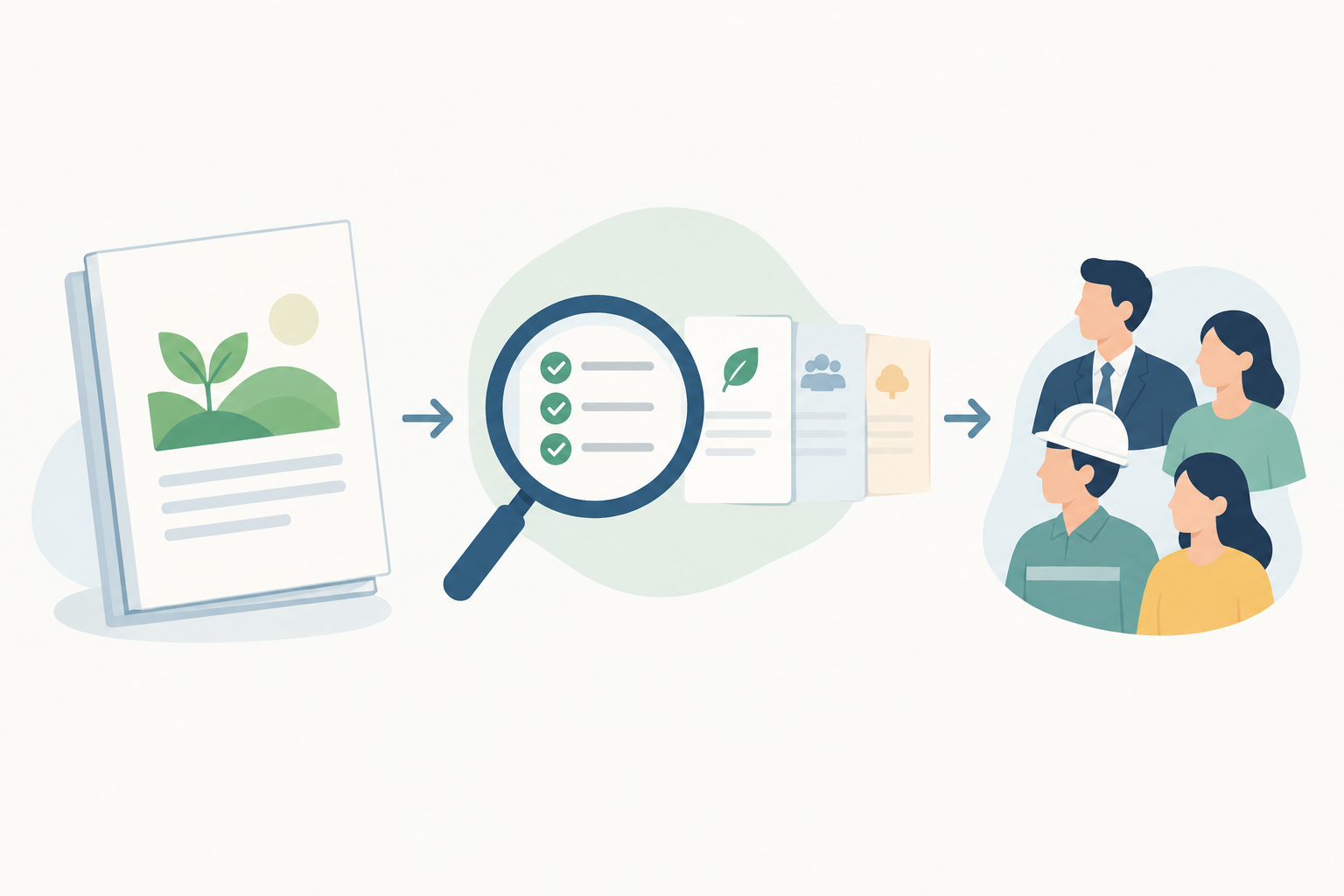
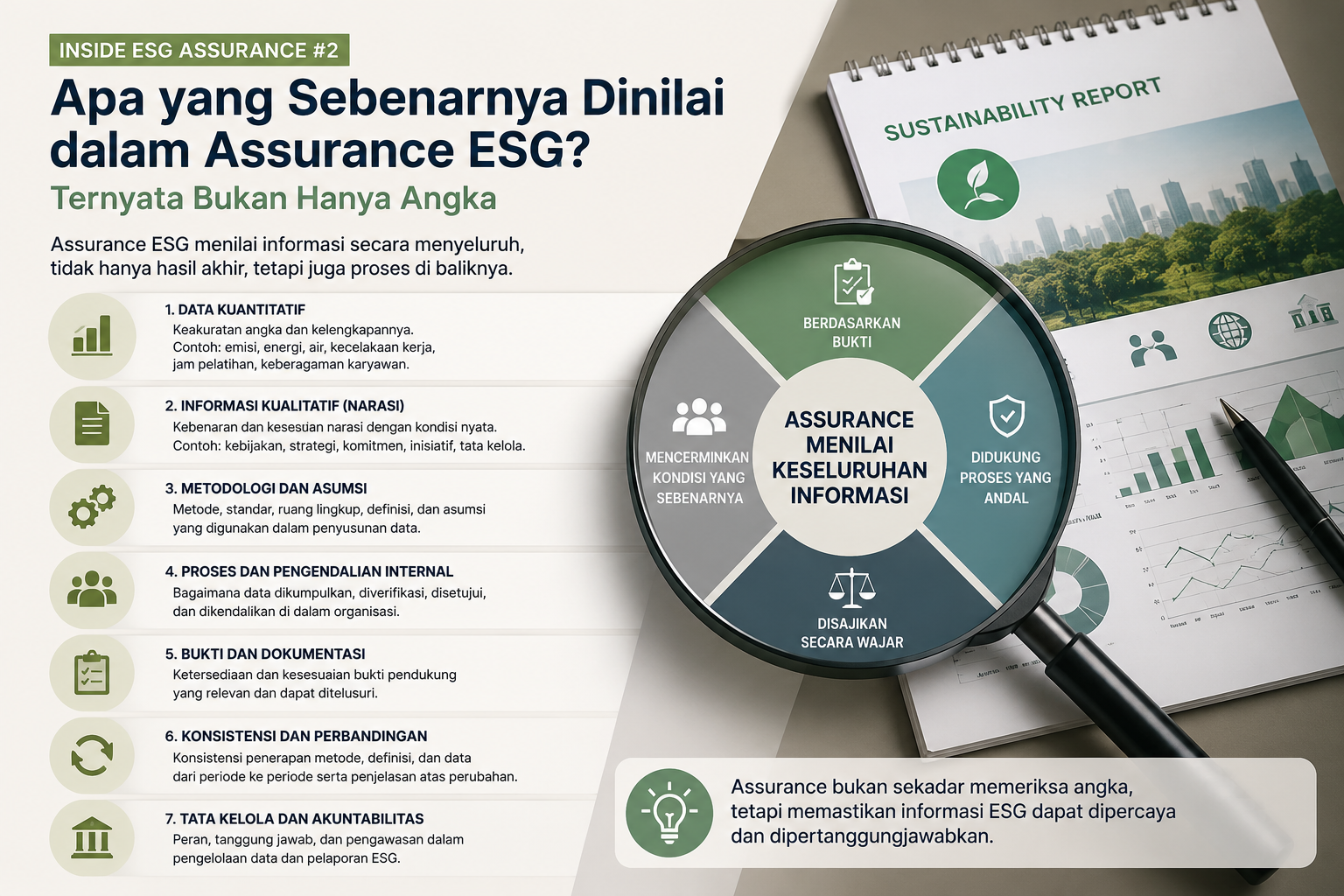
Third-party assurance is more than a technical step. It signals confidence and accountability. It tells investors, partners, and regulators that your ESG story is not just a narrative. It is backed by verifiable data.
As sustainable finance, ESG ratings, and supply chain requirements become more data-driven, assured reporting separates strategic reporting from symbolic compliance. Lenders and asset managers no longer rely on surface-level disclosures. They want data that meets the rigor of financial-grade review.
Within companies themselves, ESG data is becoming a key input in budgeting, risk analysis, and strategic planning. Without credible data, internal decisions also suffer.

Looking Ahead: Building Trust with the Right Partner
Preparing a sustainability report is already a complex task. Integrating assurance, especially for the first time, adds another layer of technical and organizational challenge.
Doing all this isn’t always easy, especially for companies doing it for the first time. That’s where Decar Verite Asia comes in.
We help organizations get their sustainability reports ready for review. We guide companies through what needs to be included, how to align with assurance standards like AA1000AS, and how to make sure their numbers are solid and defensible.
Whether your company is aiming for green financing or just trying to avoid greenwashing, we’re here to help make your reporting credible and clear.
In sustainability, what matters isn’t just what you say, it’s what you can prove.
👉 Assurance might not be mandatory yet, but it’s quickly becoming essential. Do you think companies should proactively pursue it, or wait until it’s required? Drop your take below!
Reference:
Financial Services Authority (OJK). (2017). Regulation of the Financial Services Authority Number 51/POJK.03/2017 concerning the Implementation of Sustainable Finance for Financial Services Institutions, Issuers, and Public Companies. Jakarta: OJK.
Author: Asyifah Safitri